Christmas Tree Retro: A Designer’s Hands-On Review
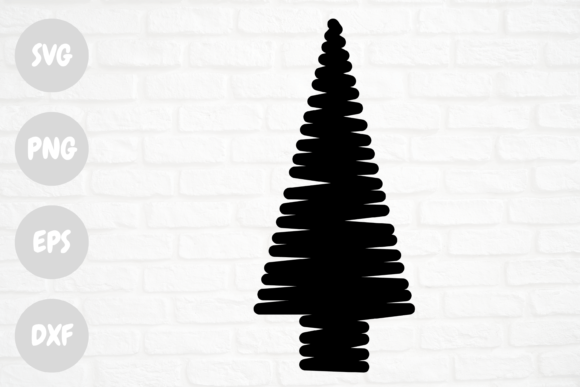
When I first opened the Christmas Tree Retro design, my immediate thought was, “This feels like a holiday memory.” It’s not just a graphic; it’s a mood. The layout has that warm, slightly simplified charm you see in vintage greeting cards. The shape is solid and iconic, with a level of detail that promises good stitch definition without being overly fussy. Its visual personality is cheerful and classic, making it a natural fit for any project where you want to evoke nostalgia and cozy holiday spirit.
The First Project Test: A Custom Embroidered Tote
I envisioned this design on a canvas tote bag for a small shop client. The canvas size provided—1920 px by 1280 px—gave me confidence that scaling would be straightforward. In a real-life embroidery situation, the key question is how those clean lines and shapes translate into thread. On a textured fabric like canvas, a design with clear, bold forms like this one performs well. I imagined using a mix of satin stitch for the tree body and a running stitch for the finer outlines, creating a tactile, handmade product that feels both professional and personal.
Where This Design Finds Its Home
The Christmas Tree Retro design isn’t a one-trick pony. Its personality suits a surprisingly wide range of applications. I could easily see it stitched onto a heavyweight sweatshirt for a boutique holiday release, or as a sweet, subtle motif on a baby’s blanket for a personalized gift. It would make a charming embroidered patch, perfect for a cap or apron. For craft business items like pillow covers or kitchen towels, it offers that recognizable, giftable appeal without being overly commercial. For digital product sellers, the available file formats—AI, EPS, SVG, JPG, PNG—mean it’s versatile for creating printable mockups or as part of a larger bundle of design assets.
The design’s clarity directly boosts product value. On a finished product, a cleanly embroidered, well-defined tree enhances customer trust; it looks intentional and skilled. For a creative entrepreneur, it supports brand consistency if your aesthetic leans toward retro or timeless styles. That recognizable silhouette catches eyes at a craft fair or in an Etsy listing, driving buyer engagement through straightforward, warm visual appeal.
Practical Considerations Before You Hoop Up
While the design is adaptable, a professional approach means knowing its limits. My first note is always: test on scrap fabric first. This is crucial for checking stitch density, especially if you plan to use it on thinner or stretchy fabrics like t-shirts. The small details, like potential sharp corners in the tree’s outline, need to be inspected to ensure they don’t become overly dense stitch areas that could pucker.
For dark fabric backgrounds, thread color contrast is paramount. A classic green tree on a black sweatshirt will pop, but you might need to adjust your default thread palette. On curved surfaces like caps, the design’s overall shape should be checked in a mockup to ensure it sits well on the curve without distortion. For products that need frequent washing, like baby clothes or kitchen linens, a stable, well-digitized design is key—advising the use of proper stabilizer is non-negotiable here.
Spots Where You Might Proceed with Caution
I’d be careful using this embroidery file at very small hoop sizes. Reducing a design with inherent detail too much can lead to loss of stitching clarity. Similarly, on highly textured or napped fabrics, some of the cleaner lines might soften, which could be a desired effect or a detriment depending on your goal. Since the product description doesn’t specify exact stitch counts or machine compatibility, my strong advice is to confirm these in your software and with a test stitch before committing to a client project or commercial embroidery run.
Turning a Graphic into a Finished Product Story
Ultimately, an embroidery design like this succeeds when it helps you tell a product story. Stitching Christmas Tree Retro onto a simple tea towel transforms it into a holiday gift. Applying it to a tote bag design creates a small shop merchandise item with a story of handmade craftsmanship. For apparel decorators, it offers a holiday embroidery option that feels more enduring than trendy.
Before selling finished items, always confirm the licensing terms. The description mentions availability for formats, but clarity on personal versus commercial use is essential for your peace of mind and business integrity. This step protects your professionalism and allows you to confidently create.
In my final judgment, Christmas Tree Retro is a reliable, mood-setting graphic. It’s a design that, with practical testing and thoughtful application, can become a staple in your holiday project lineup, enhancing your craft business with its friendly, retro charm and solid embroidery potential.