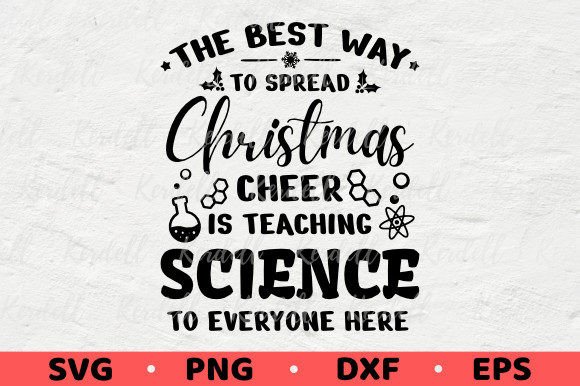
Science Teacher Spread Christmas Cheer Embroidery Design Review
As someone who has stitched hundreds of designs for client projects and my own small shop, I approach every new file with a practical eye: how will this actually look when the needle meets the fabric? Today, I’m thinking through the ‘Science Teacher Spread Christmas Cheer’ embroidery design from the point of view of real project use.
The Immediate Charm and Mood
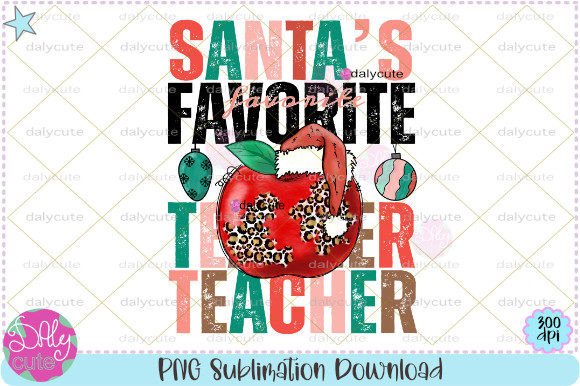
The first impression of this design is one of clever, heartfelt holiday spirit. It’s not a generic snowflake; it merges professional identity with festive cheer in a way that feels personal and giftable. The layout suggests a central, illustrative focal point—likely a teacher with scientific elements intertwined with Christmas motifs. This visual personality is key. It creates a mood of intelligent warmth, perfect for a personalized gift that acknowledges someone’s specific role and passion.
A Design That Belongs on Fabric
This isn’t just a graphic; it feels born to be an embroidery project. The illustrative style, assuming clean lines and distinct elements from the high-resolution files provided, translates naturally to stitchwork. It would naturally belong on items meant for recognition and celebration: a custom tote bag for a teacher’s classroom supplies, an embroidered sweatshirt for a holiday staff party, or a decorative pillow cover for a cozy home office. The theme dictates its best uses: holiday gifts, boutique merchandise for niche audiences, or personalized products for educational settings.
Performance in Real-Life Embroidery Projects
Let’s envision a real scenario. You’re preparing a custom embroidered canvas tote bag as a Christmas gift for a favorite science teacher. You’ve hooped the fabric, chosen your threads, and loaded the ‘Science Teacher Spread Christmas Cheer’ embroidery file. Here’s what you’ll be considering during the stitch-out.
On sturdy fabrics like canvas for tote bags, cotton for aprons, or fleece for sweatshirts, this design should perform well. The detail level, if balanced, will allow for clear stitching on these surfaces. For baby clothes or lightweight tea towels, you’d need to be more cautious about stitch density and use a robust stabilizer to prevent puckering, but the charm would be undeniable. As a patch, it could become a fantastic standalone item, appliquéd onto a backpack or lab coat.
For commercial embroidery projects, such as a small batch of hats for a school fundraiser, the design’s recognizability boosts product value. It feels professional yet handmade, increasing customer trust and engagement. For an Etsy seller or craft fair vendor, this design fills a niche, appealing directly to a community looking for thoughtful, non-generic holiday items.
Where to Apply a Careful Eye
Not all projects are ideal. The success of this embroidery design hinges on its detail. On curved surfaces like caps, small illustrative elements or tiny lettering might lose clarity if not optimized for such hoops. On dark fabrics, thread color contrast is paramount; you’d need to test to ensure the festive cheer doesn’t get lost in a dark background.
Small hoop sizes could be challenging if the design is complex. Dense stitch areas, common in illustrative graphics, might require careful machine settings and stabilizer choice to avoid stiffness on garments needing frequent washing, like polos or kid’s sweatshirts. Always test on a scrap of your target fabric first.
Impact on Visual Appeal and Business Sense
When stitched well, this design elevates a simple product. An embroidered kitchen towel becomes a cherished holiday keepsake. A plain pillow cover transforms into boutique nursery decor for a teacher’s family. The clarity of the stitching directly affects its giftability and perceived professionalism. For a creative entrepreneur, it’s a design asset that supports brand consistency if you cater to educators or niche gift markets.
It encourages buyer engagement because it tells a story. Customers aren’t just buying a decorated item; they’re buying a sentiment, which is the heart of a successful handmade product.
Practical Notes for Embroidery Designers
Before committing to a final product, my routine involves several checks. For ‘Science Teacher Spread Christmas Cheer’, I would:
- Test the embroidery file on a scrap of my intended project fabric—be it twill for a cap or jersey for a t-shirt.
- Review stitch density by running a small section to see if fill stitches are too tight for delicate fabrics.
- Check thread color contrast, especially if moving from a light to a dark fabric background.
- Inspect small details in the design for potential stitching issues, like very fine lines or closed corners.
- Confirm the hoop size needed and ensure my machine can handle it comfortably.
- Use a proper stabilizer suited to my fabric texture—no skimping here.
- Check the licensing terms provided with the INSTANT DOWNLOAD files to confirm it’s suitable for my use, whether for personal gifts or commercial projects like Etsy listings.
Remember, the provided files—SVG, PNG, DXF, EPS—are versatile. They allow for digital product previews and printable mockups, which are essential for small shop owners selling digital embroidery files. But for physical stitching, the embroidery file itself is your core asset. Always verify its compatibility and settings with your equipment.
A Design for Spreading Cheer, With Practical Precision
Ultimately, ‘Science Teacher Spread Christmas Cheer’ stands out as a themed illustration with strong potential for embroidery. Its success lies not just in its concept, but in your execution. Approach it with the practical mindset of a maker: test, adjust, and choose the right project canvas. When you do, it will stitch up into a product that genuinely spreads cheer—both for the recipient and for your craft business.
It’s a reminder that the best embroidery designs are those that connect a clear idea to a tangible, well-made finished product. This one, with its blend of profession and holiday, has that connection waiting to be stitched.